Understanding the Role of Power Control Solutions in Reducing Carbon Footprint
Learn how power control solutions can significantly decrease your carbon footprint while enhancing operational efficiency in industrial settings.
Table of Contents
Industrial facilities are among the world’s largest energy consumers, making energy efficiency a critical priority for businesses aiming to reduce operational costs and environmental impact. From manufacturing plants and warehouses to HVAC heating systems and process heating applications, industrial energy consumption directly contributes to carbon emissions and rising energy demand.
By implementing advanced power control solutions, businesses can significantly reduce their carbon footprint while improving efficiency, reliability, and operational performance. Technologies such as thyristor controllers, industrial HVAC heating controls, and intelligent power management systems are helping industries transition towards more sustainable operations.
The Environmental Impact of Industrial Energy Consumption
Industrial operations consume enormous amounts of electrical power every day. Equipment such as electric heating systems, furnaces, HVAC heater batteries, dryers, pumps, and process heating systems all require continuous energy to operate.
This energy consumption is closely linked to carbon emissions because much of the world’s electricity generation still relies on fossil fuels. The higher the energy demand, the greater the environmental impact.
According to global energy studies, industry accounts for a significant proportion of worldwide energy use and carbon emissions. Poor energy efficiency, outdated heating systems, and uncontrolled power usage contribute to:
Excessive electricity consumption
Increased carbon footprint
Higher operational costs
Greater strain on electrical infrastructure
Increased greenhouse gas emissions
As governments and industries move towards stricter sustainability targets, reducing industrial energy waste has become increasingly urgent.
How Power Control Solutions Work
What Are Power Control Solutions?
Power control solutions are technologies designed to regulate and optimise the delivery of electrical power to industrial equipment. Instead of operating systems at full power continuously, these solutions provide accurate, controlled energy management based on operational demand.
This improves efficiency while reducing wasted energy.
Thyristor Controllers and Industrial Heating Control
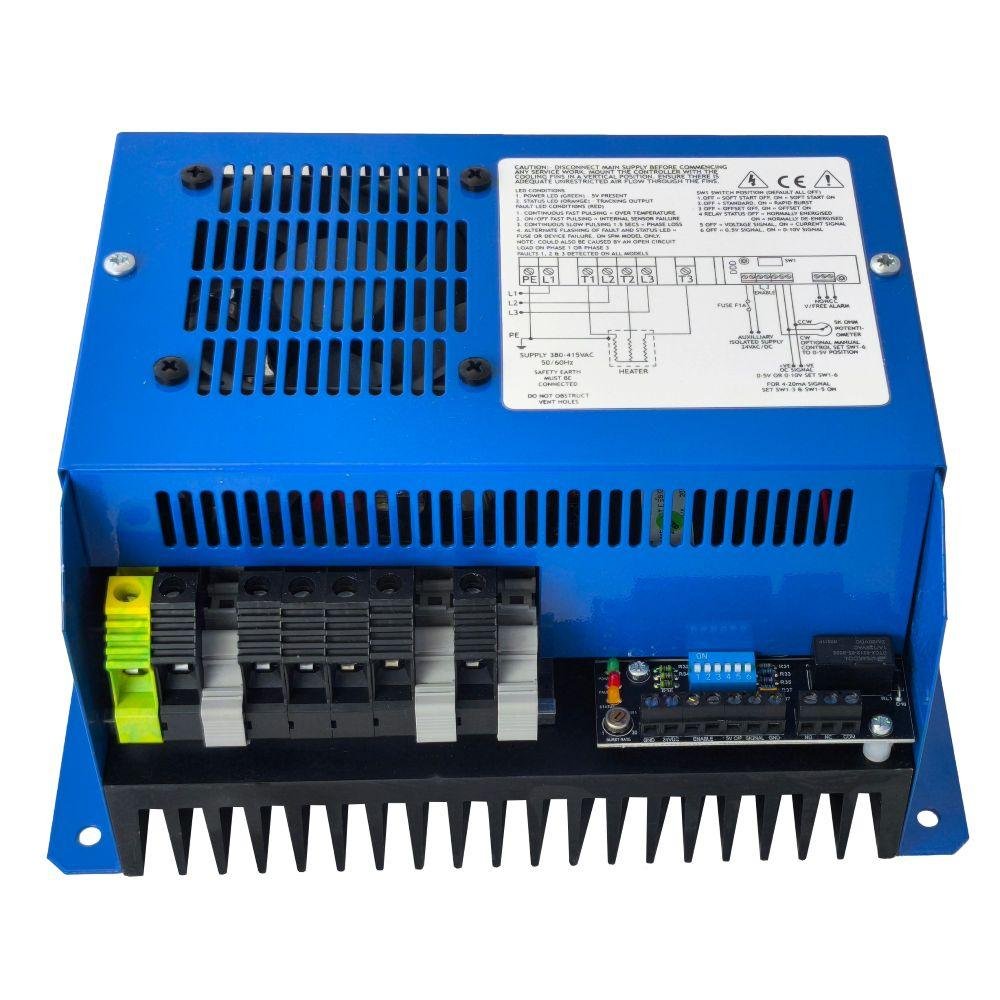
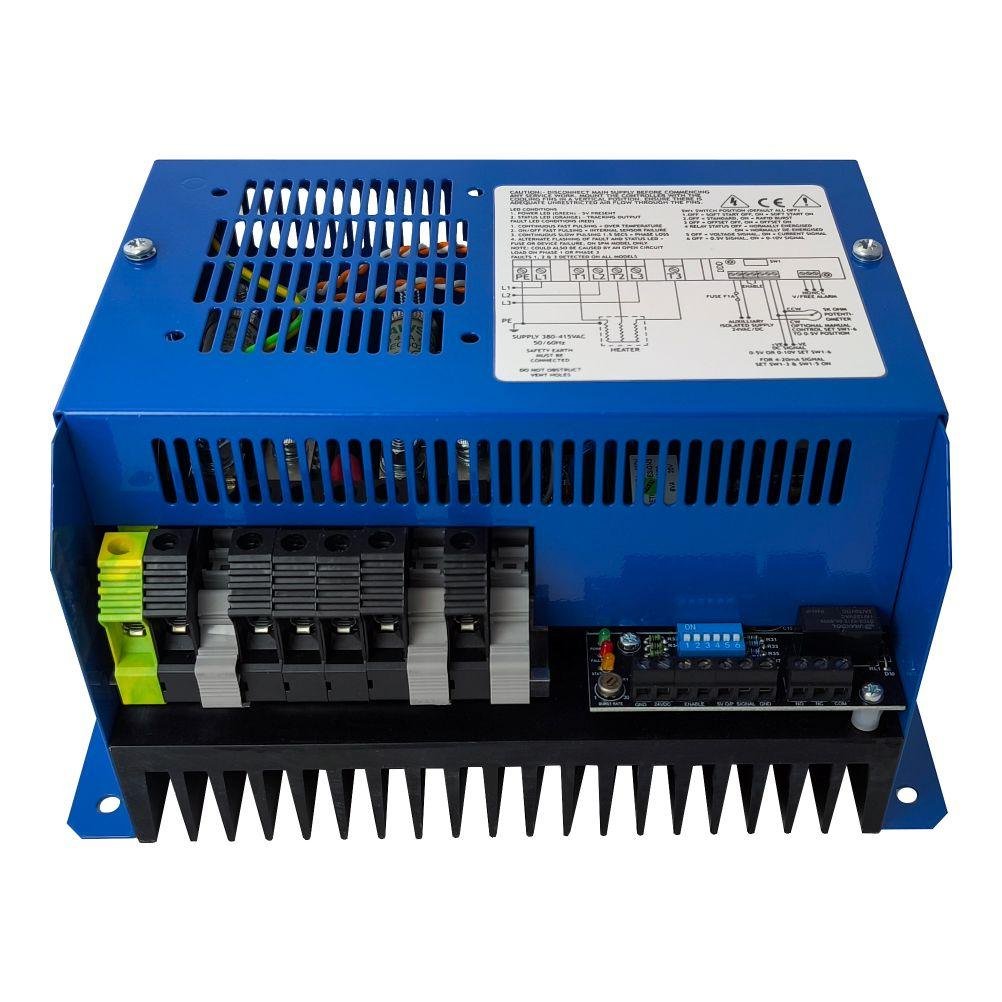
One of the most effective technologies used in industrial energy management is the thyristor controller.
Thyristor power controllers regulate resistive heating loads with high precision, making them ideal for:
HVAC heater batteries
Air curtains
Industrial furnaces
Ovens and dryers
Process heating systems
Commercial air handling units
Industrial electric heating systems
Unlike traditional relay-based switching, thyristor controllers provide smooth and accurate power regulation, reducing electrical stress and unnecessary energy consumption.
Industrial HVAC heating systems can consume substantial amounts of energy, especially in manufacturing facilities, warehouses, and commercial environments.
Advanced HVAC heating controls help:
Stabilise temperatures
Reduce energy waste
Improve process efficiency
Prevent overheating
Extend equipment lifespan
By accurately controlling heating output, businesses avoid excessive power usage while maintaining operational performance.
Integration into Existing Infrastructure
Modern power control systems can often be integrated into existing industrial infrastructure without requiring a complete system replacement.
This allows businesses to:
Upgrade energy efficiency gradually
Improve control of legacy systems
Reduce downtime during installation
Enhance operational reliability
Benefits of Reducing Carbon Footprint Through Power Control
Lower Energy Costs
Reducing unnecessary power consumption leads directly to lower electricity bills. Efficient heating control systems ensure energy is only used when required.
Improved Operational Efficiency
Power control systems improve the consistency and reliability of industrial heating processes. Stable power delivery reduces temperature fluctuations and system stress.
Reduced Equipment Wear
Controlled power delivery reduces:
Thermal shock
Electrical stress
Inrush current
Premature heater failure
This lowers maintenance costs and extends equipment lifespan.
Reduced Carbon Emissions
Using less energy means lower associated carbon emissions. Businesses implementing energy-efficient power control solutions can significantly reduce their environmental impact.
Improved Sustainability Targets
Many organisations are now required to meet sustainability and carbon reduction goals. Industrial power control solutions support ESG initiatives and long-term environmental strategies.
Examples of Industrial Applications
Industries benefiting from power control solutions include:
Manufacturing plants
Warehouses and logistics centres
Food processing facilities
Hospitality venues
Commercial buildings
Process heating industries
These environments often operate large resistive heating systems continuously, making energy optimisation highly valuable.
Best Practices for Implementing Power Control Solutions
Conduct an Energy Assessment
Identify high-energy equipment and systems with inefficient power usage.
Upgrade Legacy Heating Controls
Replacing outdated relay or contactor systems with modern thyristor controllers can improve efficiency immediately.
Train Employees and Maintenance Teams
Staff should understand how power control systems operate and how to optimise settings for efficiency and reliability.
Monitor Energy Usage
Tracking power consumption helps businesses identify inefficiencies and measure savings over time.
Work with Experienced Power Control Specialists
Choosing reliable industrial power control suppliers ensures systems are correctly specified and integrated.
Potential Challenges and Solutions
Challenge
Solution
High initial upgrade cost
Long-term energy savings offset investment
Integration with older systems
Gradual phased upgrades
Lack of technical understanding
Employee training and support
System downtime concerns
Planned installation scheduling
Why Choose United Automation?
United Automation supplies industrial power control technologies designed to improve efficiency, reduce energy waste, and support sustainable industrial operations.
Reducing industrial carbon emissions is no longer optional — it is an operational, financial, and environmental necessity. Advanced power control solutions allow businesses to lower energy consumption, improve efficiency, reduce maintenance costs, and support sustainability targets.
Technologies such as thyristor controllers and intelligent HVAC heating controls provide industries with practical and cost-effective ways to reduce their carbon footprint while maintaining reliable operational performance.
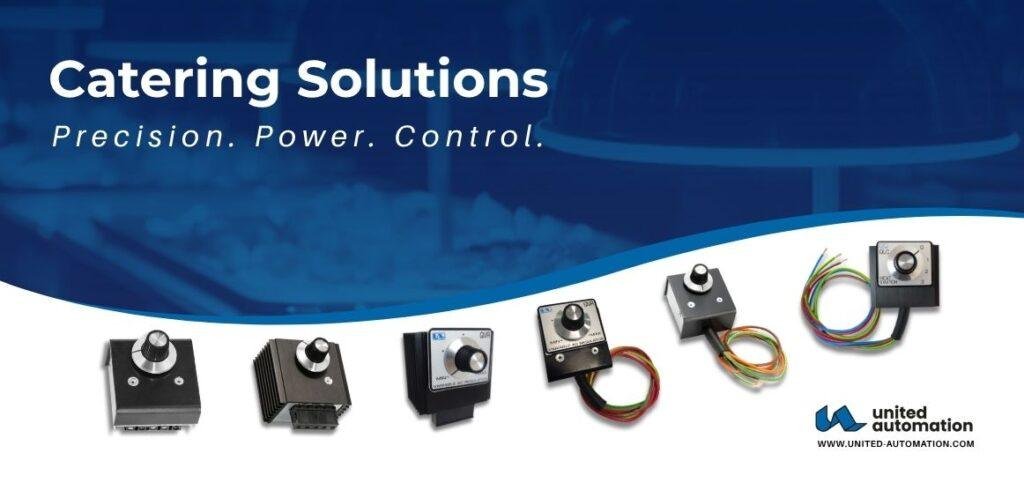
Explore commercial catering controllers and heated gantry dimmer switches from United Automation. Precise phase-angle power regulators for warmers and lamps.
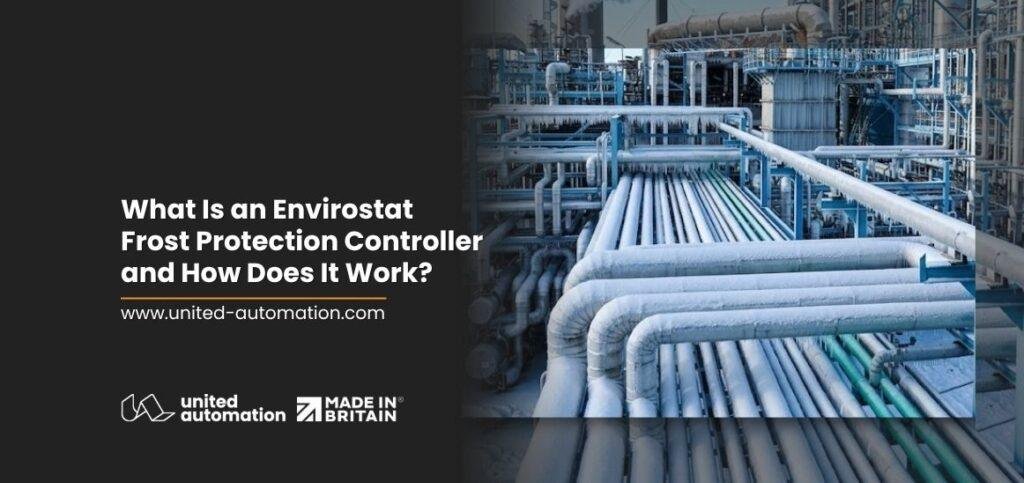
Learn what an Envirostat Frost Protection Controller is, how it works, and why it is essential for protecting external pipework, preventing frozen pipes, improving energy efficiency, and helping reduce the risk of Legionella.
Explore commercial catering controllers and heated gantry dimmer switches from United Automation. Precise phase-angle power regulators for warmers and lamps.
Need a Standard Product or a Bespoke Control System?
Whether you need our proven standard products or a custom control system, United Automation delivers robust and reliable engineering solutions tailored to your industry.
We use cookies on our website to give you the most relevant experience by remembering your preferences and repeat visits. By clicking “Accept All”, you consent to the use of ALL the cookies. However, you may visit "Cookie Settings" to provide a controlled consent.
This website uses cookies to improve your experience while you navigate through the website. Out of these, the cookies that are categorized as necessary are stored on your browser as they are essential for the working of basic functionalities of the website. We also use third-party cookies that help us analyze and understand how you use this website. These cookies will be stored in your browser only with your consent. You also have the option to opt-out of these cookies. But opting out of some of these cookies may affect your browsing experience.
Necessary cookies are absolutely essential for the website to function properly. These cookies ensure basic functionalities and security features of the website, anonymously.
Cookie
Duration
Description
cookielawinfo-checkbox-analytics
11 months
This cookie is set by GDPR Cookie Consent plugin. The cookie is used to store the user consent for the cookies in the category "Analytics".
cookielawinfo-checkbox-analytics
11 months
This cookie is set by GDPR Cookie Consent plugin. The cookie is used to store the user consent for the cookies in the category "Analytics".
cookielawinfo-checkbox-functional
11 months
The cookie is set by GDPR cookie consent to record the user consent for the cookies in the category "Functional".
cookielawinfo-checkbox-functional
11 months
The cookie is set by GDPR cookie consent to record the user consent for the cookies in the category "Functional".
cookielawinfo-checkbox-necessary
11 months
This cookie is set by GDPR Cookie Consent plugin. The cookies is used to store the user consent for the cookies in the category "Necessary".
cookielawinfo-checkbox-necessary
11 months
This cookie is set by GDPR Cookie Consent plugin. The cookies is used to store the user consent for the cookies in the category "Necessary".
cookielawinfo-checkbox-others
11 months
This cookie is set by GDPR Cookie Consent plugin. The cookie is used to store the user consent for the cookies in the category "Other.
cookielawinfo-checkbox-performance
11 months
This cookie is set by GDPR Cookie Consent plugin. The cookie is used to store the user consent for the cookies in the category "Performance".
cookielawinfo-checkbox-performance
11 months
This cookie is set by GDPR Cookie Consent plugin. The cookie is used to store the user consent for the cookies in the category "Performance".
viewed_cookie_policy
11 months
The cookie is set by the GDPR Cookie Consent plugin and is used to store whether or not user has consented to the use of cookies. It does not store any personal data.
viewed_cookie_policy
11 months
The cookie is set by the GDPR Cookie Consent plugin and is used to store whether or not user has consented to the use of cookies. It does not store any personal data.
Functional cookies help to perform certain functionalities like sharing the content of the website on social media platforms, collect feedbacks, and other third-party features.
Performance cookies are used to understand and analyze the key performance indexes of the website which helps in delivering a better user experience for the visitors.
Analytical cookies are used to understand how visitors interact with the website. These cookies help provide information on metrics the number of visitors, bounce rate, traffic source, etc.
Advertisement cookies are used to provide visitors with relevant ads and marketing campaigns. These cookies track visitors across websites and collect information to provide customized ads.